UFC Pours Another $1M Into Brain Study, Pushing Total Past $3M
The 15-year Cleveland Clinic study now covers UFC, WWE and Zuffa Boxing fighters, with more than 900 athletes already enrolled and funding locked through 2030.
By FightSplit Editorial Team · Published Oct 8, 2026
UFC is writing another $1 million check to keep one of combat sports' most important research projects alive. On October 8, the promotion confirmed a multiyear extension of its partnership with Cleveland Clinic, funding the Professional Athletes Brain Health Study through 2030. That takes UFC's total commitment past $3 million across four rounds of support since it first signed on in 2011.
The bigger shift is who's now in the room. WWE and Zuffa Boxing, both sitting alongside UFC under TKO Group Holdings, are joining the study through athlete participation and financial support. The research itself, run out of the Lou Ruvo Center for Brain Health in Las Vegas, has already enrolled more than 900 active and retired athletes since launch.
Why This Study Matters
Led by Dr. Charles Bernick, senior director of Cognitive Disorders at Cleveland Clinic Nevada, the project is the largest focused on athletes exposed to repetitive head trauma — and the first to track retired and active male and female athletes at the same time. It started in 2011 as the Professional Fighters Brain Health Study and has since widened to include bull riders, hockey players and motorsports drivers.
The whole point is longevity. Bernick said following the same athletes over many years is the only way to actually watch how conditions like CTE develop and why outcomes vary so wildly from one person to the next. Participants get free annual assessments, including MRI scans, repeated year after year.
What They've Found So Far
Fifteen years in, researchers say they've already detected subtle effects of repetitive impacts on brain structure and on proteins released into the blood after a blow to the head. Those markers can be measured over time and may serve as early warnings — the kind of personal data a fighter could use to make real decisions about their career before damage piles up.
UFC COO Lawrence Epstein framed the renewal as giving athletes access to information that supports informed choices about their health, both during their careers and after. WWE President Nick Khan, a TKO board member, said expanding the partnership lets the company contribute to research that reflects the specific demands on its performers.
Next up, the study moves into lifestyle factors — how environment influences CTE onset — while hunting for sharper diagnostic biomarkers and, eventually, testing new treatments. For a sport built on head trauma, writing checks toward understanding it is one of the more useful things UFC does.
Related / UFC
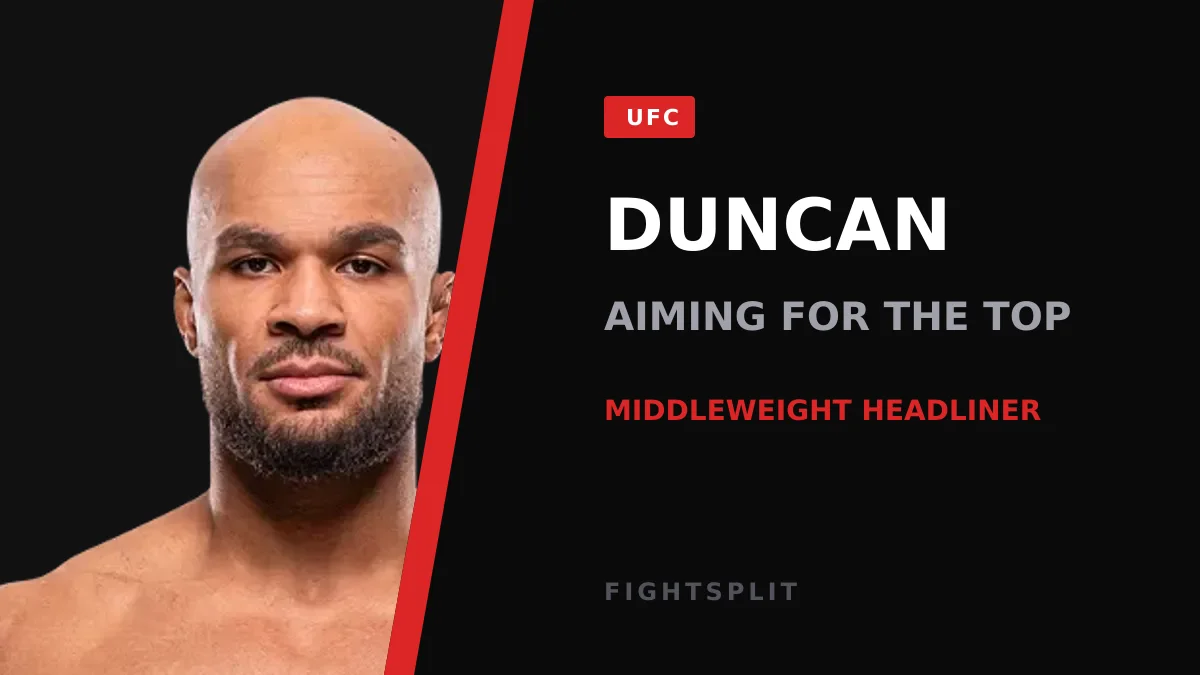
Christian Leroy Duncan Wants Strickland or Du Plessis After Allen Test
A win over #4 Brendan Allen would put Duncan on a six-fight streak — and he's eyeing a title shot or a Du Plessis headliner in London.
Oct 8, 2026
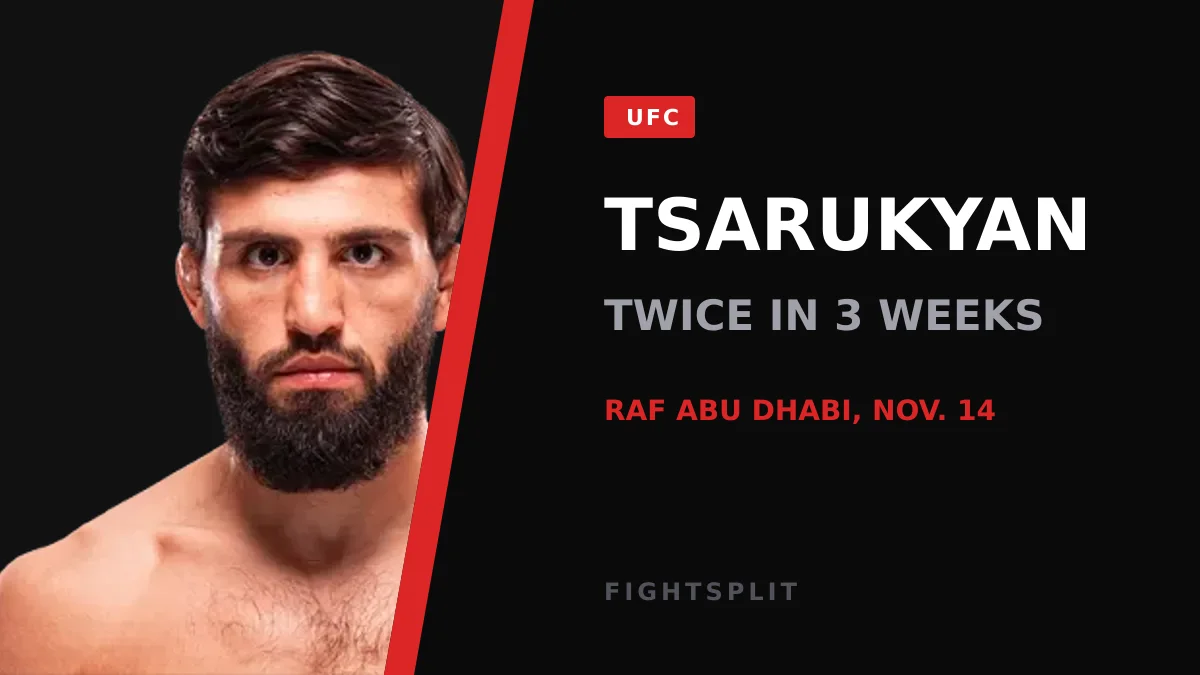
Arman Tsarukyan Draws Neiman Gracie for RAF Abu Dhabi Debut
The UFC's No. 2 lightweight will wrestle twice in three weeks, grappling Bellator vet Neiman Gracie on Nov. 14 after his Oct. 23 headliner.
Oct 8, 2026
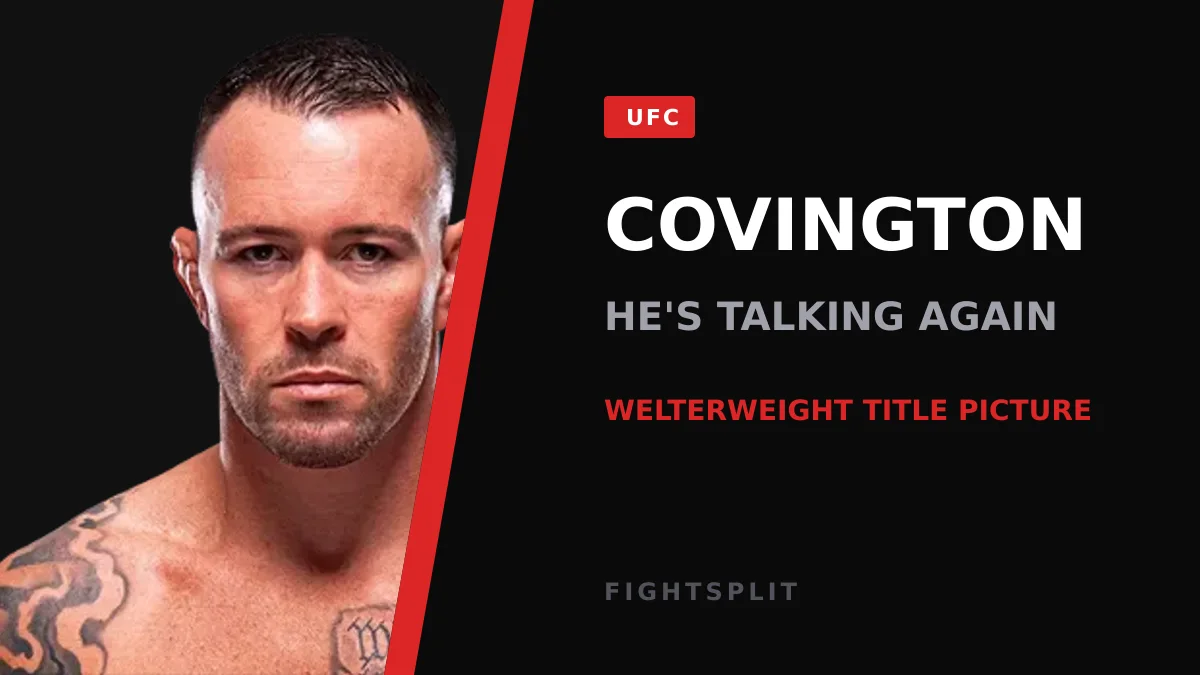
Colby Covington Says Carlos Prates Is Makhachev's Easiest Fight Yet
Covington reckons the 24-7 striker has 'no chance' against a champion with 13 career submissions. He's far less sure about unbeaten Michael Morales.
Oct 8, 2026