Why Banning the Oblique Kick Would Be a Mistake for the UFC
California's Andy Foster wants the oblique kick gone and Dana White agrees — but after 33 years of MMA rulemaking, the logic doesn't hold.
By FightSplit Editorial Team · Published Sep 27, 2026

California Athletic Commission boss Andy Foster came out of UFC 331 pushing to ban the oblique kick, calling it too dangerous — and UFC CEO Dana White backed him. It's a rare case where Foster, who's usually a reasonable voice on regulatory matters, has picked a fight that doesn't survive much scrutiny. In 33 years of MMA, every rule that's been added has served one of three purposes: safety, public perception, or entertainment. The oblique kick checks none of those boxes.
Start with the history. Fights got rounds because untimed bouts are unwatchable and impossible to sell on pay-per-view. Groin shots, biting, fish-hooking and hair-pulling got banned because audiences won't stomach them — effective or not. Shots to the back of the head and eye gouges are illegal because those are the moves that kill or permanently maim. The oblique kick belongs to a different conversation entirely.
The Danger Argument Doesn't Hold
Yes, an oblique kick can wreck a knee. Just ask anyone who's watched a fighter's leg buckle sideways — Modestas Bukauskas grabbing his own leg after a Khalil Rountree kick is the image doing the rounds. But 'dangerous' isn't the test. Fighting is dangerous by design; the point is to prevent catastrophic, life-altering injury, not to eliminate risk. A blown-out knee is a stock hazard of contact sport. It's not going blind.
The consistency problem is glaring. If long-term joint damage is the standard, then leg locks should be first on the chopping block — far more knees have been torn up by heel hooks than by oblique kicks. Nobody's calling for that, and nobody should. There's a fair case for restricting either technique at amateur or lower levels, the way grappling comps ban heel hooks for white and blue belts. But this is championship-level fighting, not a beginner bracket.
We've seen this movie before. A few years back the same crowd wanted calf kicks banned because they were too effective and nobody had an answer for them. That was silly then, and this is silly now. Overpowered isn't a reason to outlaw a technique — it's a reason to learn to defend it. Bukauskas, 21-7 with 12 knockouts, is a working professional who understands the risks of his trade.
The through-line here is the difference between brutality and danger. The rulebook exists to keep fights inside the bounds of what a modern audience will accept and what won't leave someone dead or disfigured. The oblique kick is ugly and it's nasty, but it clears that bar comfortably. Foster and White would be adding a rule to solve a problem that doesn't exist — and once you start banning techniques for being dangerous, the list has no natural end.
Related / UFC
Cop-Turned-Fighter Luis Hernandez Wins UFC Debut in 57 Seconds
The Miami-Dade officer took the fight on two days' notice and needed less than a minute to make Sedriques Dumas tap. He's now 9-0.
Sep 27, 2026
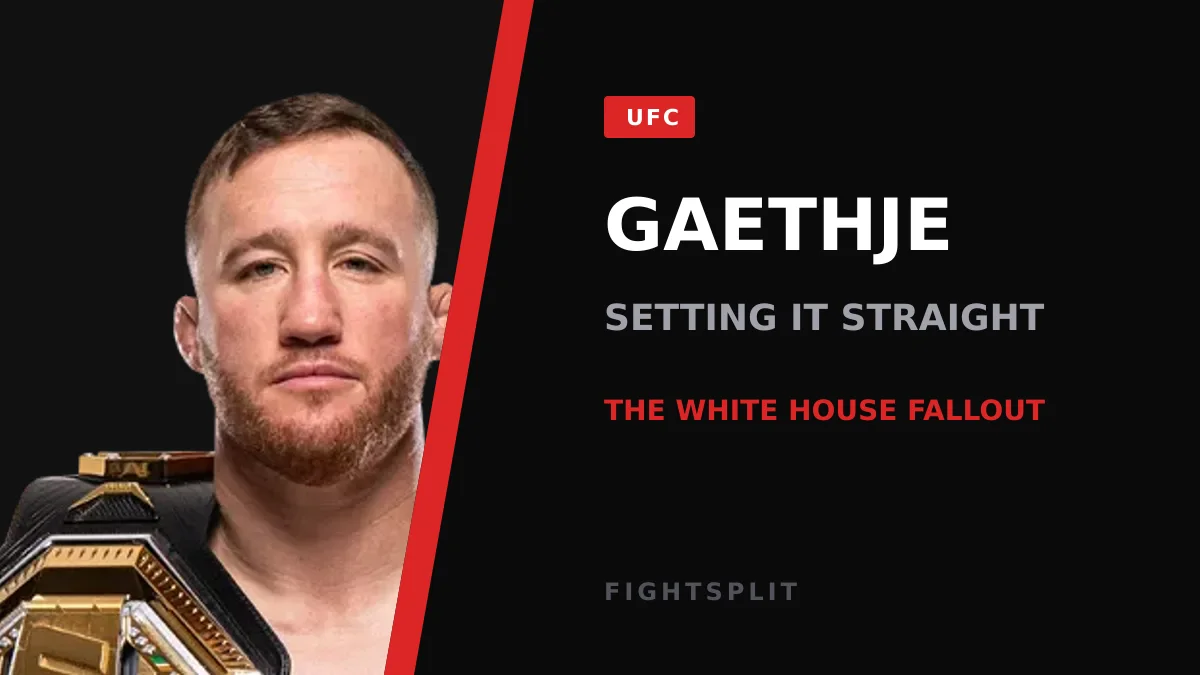
Gaethje Sets the Record Straight on How He Beat Topuria at the White House
The new lightweight champ says Topuria's corner made the call after four rounds — not the fighter himself. Now Arman Tsarukyan is next in line.
Sep 27, 2026
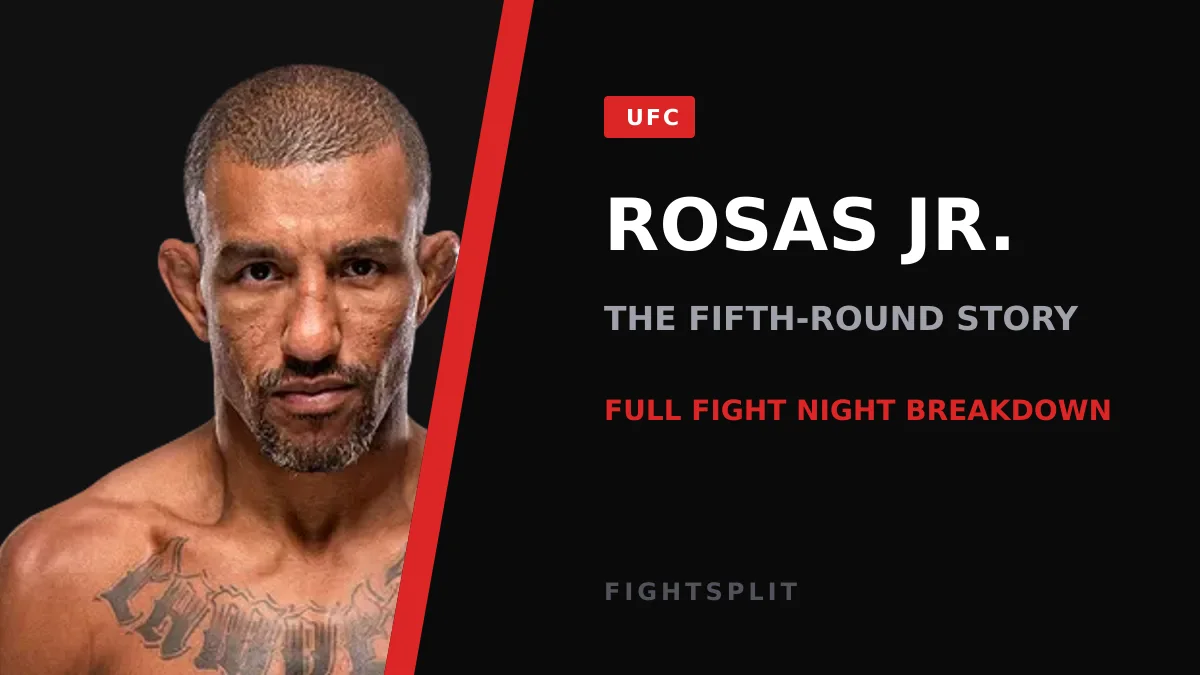
Rosas Jr. finishes Barcelos in the fifth to headline UFC Vegas
Raul Rosas Jr. stopped #13 Raoni Barcelos with 1:38 left in the fifth round, the biggest scalp yet for the 21-year-old bantamweight.
Sep 27, 2026